Daily energy isn’t just about trying harder—it’s about aligning sleep, movement, nutrition, focus, and recovery into a rhythm you can repeat even when life gets busy. With a smart-habit approach and flexible AI guidance, it’s possible to create a routine that feels realistic, adapts to changing schedules, and supports steadier vitality and clearer productivity.
Feeling energized is less about being “on” all day and more about having predictable focus windows, fewer crashes, and faster recovery after intense periods. Energy rises and falls based on sleep consistency, stress load, hydration, nutrition timing, light exposure, movement, and the way your workload is designed.
Common hidden drains sneak in quietly: irregular sleep and wake times, late-day caffeine that interferes with sleep quality, long sedentary blocks, skipped meals followed by heavy dinners, and constant context switching across apps, tabs, and notifications. Over time, those patterns create a cycle of morning grogginess, mid-afternoon slumps, and evening “second winds” that delay bedtime.
Sleep is a major foundation—especially consistent sleep timing and sufficient duration. For deeper background, see the CDC’s sleep resources and the NIH overview of sleep deprivation.
Smart habits work because they reduce decision fatigue. Instead of relying on motivation, they rely on structure.
Attach new actions to reliable triggers: after waking, after lunch, or before shutting down work. Anchors make habits easier to remember and harder to “skip by accident.”
Define the smallest version of the habit you can do on your worst day: a 2-minute walk, one glass of water, five deep breaths, or a 60-second stretch. This keeps consistency alive so you don’t restart from zero.
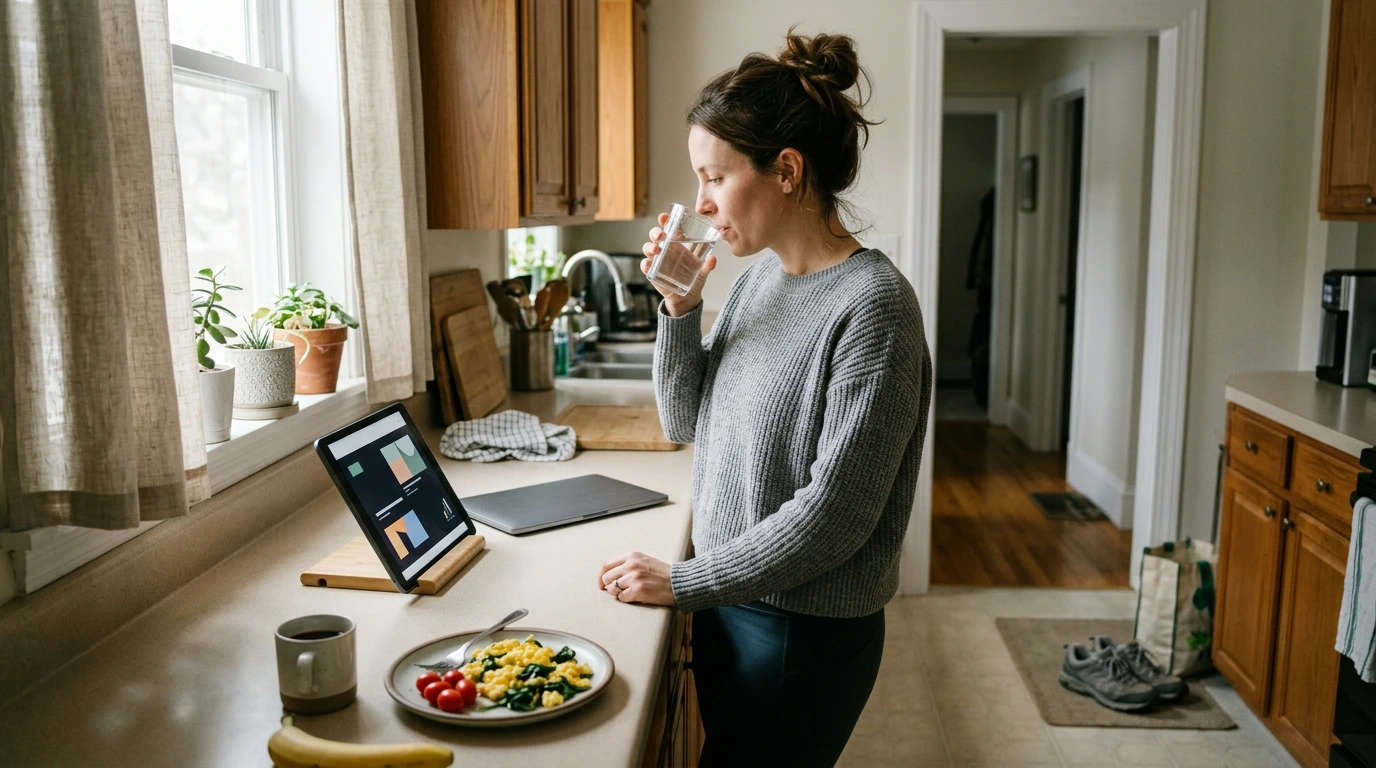
Make energizing choices easier by default: keep water visible, place walking shoes by the door, set notifications off by default during focus blocks, or pre-portion a snack that won’t spike-and-crash your afternoon.
Use a simple 5-minute weekly check-in: what felt easy, what felt hard, and what single tweak would make next week smoother? Adjust goals instead of quitting them.
AI can help most when it translates quick daily inputs into a realistic plan—especially when schedules shift. Share a few constraints (wake time, meetings, stress level, available breaks) and ask for a short plan built around micro-actions you’ll actually do.
| Goal | What to tell the AI | What to ask for |
|---|---|---|
| Morning energy | Wake time, sleep quality (1–10), first commitment | A 10-minute morning routine with 3 steps and 1 backup option |
| Afternoon slump | Lunch time, caffeine intake, work demands | A 2-hour anti-slump plan: food timing, movement, and focus block |
| Better evenings | Bedtime target, screen use, stress level | A simple wind-down flow and the single biggest change to try first |
| More consistent habits | Two habits that keep failing and why | A smaller habit version, a trigger, and a friction-reduction idea |
Start with light exposure (step outside if possible), hydration, and a quick mobility reset to cue alertness. If breakfast fits your body and schedule, a protein-forward option can support steadier energy.
Build a steady-energy lunch: protein + fiber + healthy fats. Then add a 5–10 minute walk to support mood and more stable energy through the afternoon.
Schedule one deep-work block during your most reliable focus window. Keep breaks short and physical—posture reset, slow breathing, refilling water—so recovery is real, not just more screen time.
Reduce late stimulation, create a consistent shutdown ritual, and protect a wind-down window to support sleep quality. Harvard Health offers a helpful overview on why sleep matters for mental and physical performance: The importance of sleep.
These work best when they’re small, repeatable, and tied to triggers you already have.
If you want a ready-to-use structure, Energize Days with Smart Habits and AI Guidance – Digital Wellness Guide (Instant Download) is built to help you turn scattered best intentions into a practical routine.
For sleep-specific support in a season where energy can feel especially unpredictable, A Real-Life Guide to Better Sleep During Pregnancy (Digital Download) offers practical guidance tailored to moms-to-be.
And if your energy dips are partly driven by overcommitment and unclear priorities, Your Ultimate Young Leader’s Power Checklist (Digital Download) can help simplify decision-making and follow-through.
No. It focuses on habits, daily structure, and flexible personalization rather than prescriptive training or dieting, so you can apply it to many lifestyles and schedules.
You provide quick inputs like sleep, meeting load, stress level, and available breaks, and then use repeatable templates to generate realistic micro-actions and a simple plan that fits that specific day.
Small improvements—like fewer afternoon crashes—can show up within days, while bigger gains (especially sleep-related) often build over a few weeks of consistency. Starting with one habit usually works better than changing everything at once.










Leave a comment