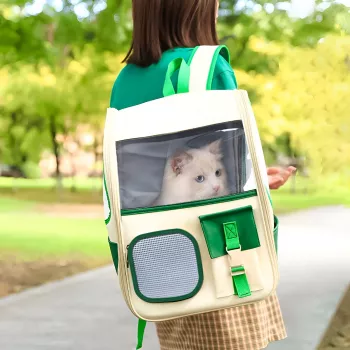
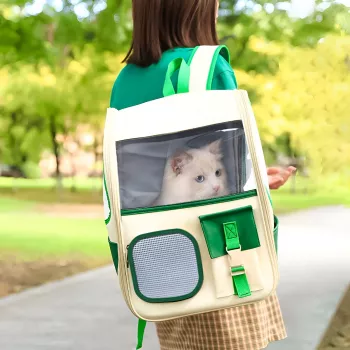
A well-designed pet backpack makes everyday errands, vet visits, and outdoor time easier while keeping a cat or small dog secure and comfortable. Breathability, fit, and safety features matter most—especially for pets that run warm or get anxious in crowded places. A structured, ventilated carrier can also help pets feel steadier than a swinging tote, while giving you the convenience of hands-free movement.
For a practical, travel-friendly option, see the Portable Breathable Pet Backpack for Cats and Small Dogs, designed to support calmer outings on sidewalks, public transit, and short adventures.
Unlike many traditional carriers, a breathable backpack rides higher on the body, which can reduce bumping into legs and help your pet feel less surrounded by foot traffic. It’s also easier to manage when you’re juggling doors, checkout lines, or stairs.
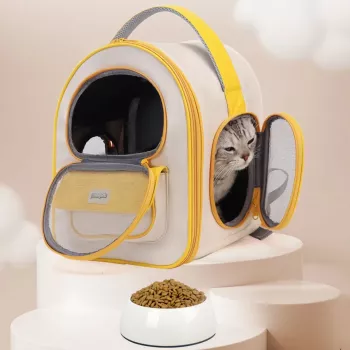
Small details make a big difference over time. Smooth, sturdy zippers help prevent snagging fur, while a more structured body helps keep mesh panels open for better circulation. If your pet is wiggly, prioritize carriers with a dependable tether point and a layout that makes it easy to confirm closures before lifting.
Choose the carry style based on trip length, pet temperament, and heat conditions. Backpacks favor hands-free movement; hard carriers favor stacking and car stability; strollers favor long outings with heavier pets.
| Option | Best for | Pros | Trade-offs |
|---|---|---|---|
| Breathable backpack | Errands, transit, short hikes, crowded places | Hands-free; good airflow; pet stays elevated and close | Needs correct sizing; can get warm if overpacked or in direct sun |
| Hard-sided carrier | Car trips, flights (when compliant), clinics | Rigid protection; easy to clean; stable on flat surfaces | Bulkier; less comfortable to carry long distances |
| Soft-sided carrier | Short trips and calm pets | Lightweight; often compressible for storage | Less structure; may sag without a firm base |
| Pet stroller | Long outings with limited pet mobility | Minimal carrying load; good for heat-sensitive pets | Less maneuverable on stairs; takes more space |
Fit is about comfort and control. A carrier that’s too tight can restrict movement and airflow; too roomy can let your pet slide, which increases stress and makes you feel off-balance. After adjusting straps, do a short “test walk” at home and notice whether the pack bounces. If it does, tighten the stabilizing straps and keep the load closer to your center of gravity.
Even “breathable” carriers can trap warmth if the sun is strong or airflow is blocked. Plan for micro-breaks: set the backpack down in shade, open access panels if appropriate, and let your pet recover. For broader travel safety guidance, refer to the American Veterinary Medical Association (AVMA) traveling with your pet resource and the ASPCA travel safety tips.
If you’re building a simple “out-and-about” kit, it can also be helpful to add a small outdoor enrichment station at home, like the Hanging Bird Bath Box, to encourage calm window watching and decompression after busy days.
Short to moderate trips are typically most comfortable. Build up gradually, take breaks, offer water, and watch for stress or overheating so the trip length matches your pet’s temperament, health, and the weather.
Keep mesh areas unobstructed, avoid direct sun and peak heat, and choose shaded routes with frequent breaks. Watch for warning signs like excessive panting or drooling, and never leave a pet in a parked car.
Remove hair and debris, then spot-clean fabric and mesh with a pet-safe cleaner. Wash removable pads or liners when possible and let everything dry completely before storage to prevent odor and mildew.









Leave a comment