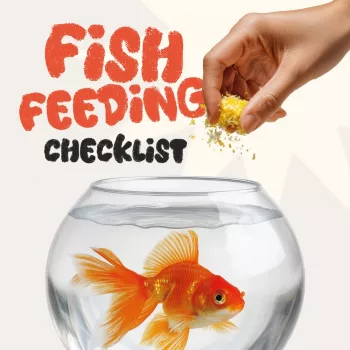
Overfeeding is one of the fastest ways to turn a thriving aquarium into a cloudy, stressful mess—yet underfeeding can leave fish weak and prone to illness. Our team uses a simple feeding checklist to remove the guesswork by matching portions and timing to your tank’s fish, water temperature, and filtration. Use the plan below to build a consistent routine, then keep it on hand so every feeding supports clean water, steady growth, and calmer fish behavior. For more guidance, see Fish Feed Intake, Feeding Behavior, and the Physiological ….
Before you change a single pinch, lock in the basics. These are the variables that make one “normal” feeding perfect for one aquarium and a nitrate spike for another. For further reading, see 3.3.1. Amount in Depth.
If you want a science-based overview of fish nutrition needs across species, the MSD (Merck) Veterinary Manual is a solid reference point.
Instead of aiming for a “looks right” scoop, use a simple target: feed only what your tank can finish quickly, then stop. This keeps excess from sinking into the substrate where it breaks down into ammonia and fuels algae.
| Fish type | Typical feeding frequency | Portion guide | Notes to prevent overfeeding |
|---|---|---|---|
| Small community tropicals (e.g., tetras, rasboras) | 1–2x/day | Tiny pinches; stop when interest slows | Prefer small pellets or crushed flakes; remove leftovers |
| Bottom feeders (e.g., Corydoras, loaches) | 1x/day + optional night snack | Sinking micro pellets or small wafers | Feed after lights dim if surface fish steal food |
| Goldfish | 1–2x/day | Small portions that disappear quickly | They beg; stick to a schedule and watch waste output |
| Cichlids (many species) | 1–2x/day | Species-appropriate pellets; modest portions | Avoid constant high-protein feeding unless required; watch aggression spikes |
| Shrimp & snails (in community tanks) | 2–4x/week (supplemental) | Tiny crumbs/algae wafer fragments | Most tanks provide biofilm; overfeeding drives ammonia |
If you keep goldfish, the RSPCA fish care advice is a helpful reminder that water quality and feeding restraint go hand in hand, especially with messy eaters.
Daily consistency matters, but weekly variety is where you can support better nutrition without turning your tank into a soup of leftovers.
For many adult community fish, 1–2 feedings per day works well as long as the portion is fully eaten quickly. Fry, fast-growing juveniles, and breeding fish often need more frequent, smaller feedings, while cooler-water setups typically do better with lighter feeding. Keep the schedule consistent and let leftover-free “finish time” guide the portion.
For healthy adult fish, an occasional fast day can reduce waste buildup and help prevent bloating, especially in heavily stocked tanks. Avoid fasting very young fry and be cautious with delicate or newly imported fish that are still settling in. If fish are being treated for illness, follow the medication’s guidance on feeding.
The clearest signs are uneaten food, cloudy or smelly water, oily surface film, sudden algae growth, and rising ammonia/nitrite/nitrate readings. Fish may also look bloated or become lethargic after meals. Cut portions immediately, remove leftovers, and stabilize filtration and water-change rhythm before slowly increasing again.












Leave a comment