HomeBlogBlogDaily Cat Feeding Checklist: Portions, Water, and Treats

Daily Cat Feeding Checklist: Portions, Water, and Treats

Daily Cat Feeding Checklist: Portions, Water, and Treats

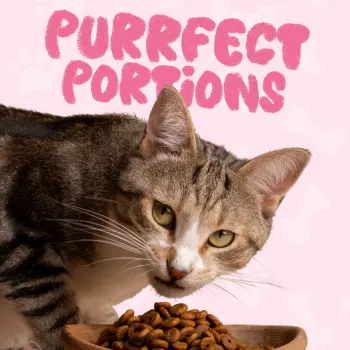
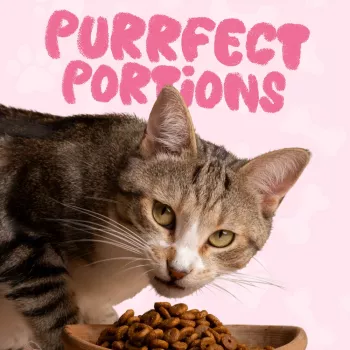
Purr-fect Portions: A Daily Cat Feeding Checklist That Keeps Meals Consistent

A simple feeding routine can make a noticeable difference in digestion, hydration, weight management, and day-to-day behavior. A printable checklist and cat care planner helps keep portions, timing, treats, and water intake consistent—especially in multi-person households or busy weeks.

Why a daily feeding checklist helps (beyond just remembering meals)

Feeding feels straightforward—until life gets hectic. A quick daily checklist adds structure without turning meals into a big project, and it can solve a handful of common “mystery problems” that show up in everyday cat care.

  • Reduces accidental double-feeding when more than one person shares pet care.
  • Supports steadier energy and fewer “demand meowing” spikes by keeping timing predictable.
  • Makes it easier to spot appetite changes early (often one of the first signs something is off).
  • Encourages healthier treat habits by tracking extras the same way as meals.
  • Creates a written record that helps a vet evaluate weight changes, vomiting, or stool shifts.

For broader nutrition guidance and what to discuss with your veterinarian, the WSAVA Global Nutrition Guidelines are a helpful reference point.

What to track each day for balanced, safe feeding

A good checklist doesn’t just ask “Did the cat eat?” It captures the small details that add up—especially calories from extras, water habits, and anything unusual.

  • Meal times: morning/evening (or more frequent small meals if recommended by a vet).
  • Food type: wet, dry, mixed, prescription diet, or kitten/senior formula.
  • Portion size: measured consistently (grams or a leveled measuring cup; avoid “eyeballing”).
  • Water: refreshed, fountain cleaned, and approximate intake changes noted.
  • Treats and toppers: count or calories when possible; note anything new.
  • Appetite notes: finished meal, grazed, refused, ate fast, or begged unusually.
  • Digestive notes: vomiting, hairballs, stool consistency, constipation, or diarrhea.

If you’re comparing foods or checking whether a diet is complete and balanced for a specific life stage, the AAFCO consumer guidance explains labeling basics in plain language.

A practical daily schedule (customize for your cat’s life stage)

There’s no single “perfect” schedule, but there is a consistent one—one that fits your cat’s age, health, and household rhythm.

  • Kittens: typically need more frequent meals; track each meal to ensure adequate intake.
  • Adults: many do well with 2 measured meals; some prefer 3–4 smaller meals to reduce begging.
  • Seniors: consistency matters; add notes for dental comfort, appetite changes, and mobility.
  • Indoor cats: track treats and enrichment snacks carefully to help prevent slow weight gain.
  • Multi-cat homes: use separate lines per cat to avoid one cat eating another’s portion.
Sample daily feeding checklist (fill in and repeat)

Time Food & Portion Water Treats Notes
AM Wet/Dry: ____   Portion: ____ Refresh bowl/fountain; note intake changes Type: ____   Amount: ____ Appetite, meds, stool, hairballs
Midday (optional) Snack/Small meal: ____ Quick rinse/refresh if needed Training treats: ____ Energy level, begging, any vomiting
PM Wet/Dry: ____   Portion: ____ Refresh; clean area Type: ____   Amount: ____ Stool quality, hydration, behavior

Portion basics that prevent overfeeding

Overfeeding is usually accidental: “just a little extra,” a second scoop, or treats that aren’t counted as calories. A checklist creates a single source of truth for everyone in the home.

  • Start with the package feeding guide, then adjust based on body condition and vet advice.
  • Measure consistently: switching between “heaping” and “leveled” scoops can add up quickly.
  • Account for calories from treats, toppers, and dental chews as part of the daily total.
  • Transition foods gradually over 7–10 days unless a vet recommends otherwise.
  • If weight is creeping up, reduce calories slowly and prioritize play and enrichment.

For deeper health and behavior context—especially around appetite, vomiting, hairballs, and common conditions—the Cornell Feline Health Center has practical, vet-reviewed resources.

Wet vs. dry vs. mixed feeding: what the checklist should capture

  • Wet food: helpful for hydration; track how many cans/grams per day and stool consistency.
  • Dry food: convenient; track exact measured amounts to prevent free-feeding creep.
  • Mixed feeding: track both types to avoid unintentionally doubling calories.
  • Prescription or therapeutic diets: note brand/formula and strict adherence (no “extras” unless approved).
  • Food puzzles and slow feeders: log when used; they can reduce scarf-and-barf behavior.

Red flags to note and when to call the vet

Using a printable planner to build a routine that sticks

Printable cat feeding guide + planner: what’s included in Purr-fect Portions

If you want a ready-to-use page you can print or use digitally, Purr-fect Portions: Your Daily Cat Feeding Checklist (digital download) is designed to make consistency easy without overcomplicating your day.

For enrichment that pairs well with a routine (especially for indoor cats who benefit from predictable daily “events”), consider placing a bird bath outside a window—many cats love the added mental stimulation. The Hanging Bird Bath Box can help turn “window time” into a reliable part of your cat’s day.

FAQ

How many times a day should a cat be fed?

Many healthy adult cats do well with two measured meals per day, while some do better with 3–4 smaller meals to reduce begging or fast eating. Kittens typically need more frequent meals, and medical conditions may require a vet-specific schedule.

Is free-feeding dry food a good idea?

Free-feeding can be convenient, but it often makes it easier for calories to creep up—especially for indoor cats or in multi-cat homes where one cat may overeat. Measured portions plus a simple log is safer for many households.

How can a feeding checklist help with weight management?

It keeps portions consistent, makes treat calories visible, and prevents double-feeding when multiple people share cat care. Pair the checklist with monthly weigh-ins (or body condition scoring with your vet) to catch small changes before they become bigger ones.

Was this article helpful?

Yes No
Leave a comment
Top

Shopping cart

×